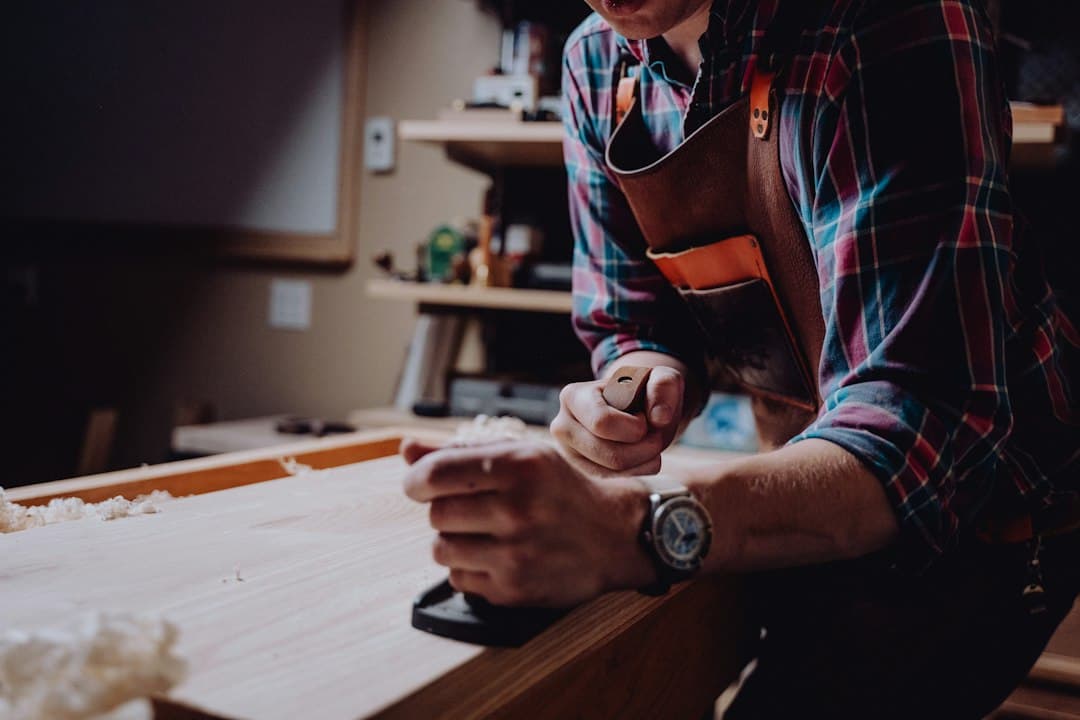
Woodworking is one of the hobbies people most often turn into income. A good cutting board, a sturdy shelf or a custom table has obvious value, and buyers pay more for handmade wood than for flat-pack furniture.
The challenge is that lumber is expensive and good work takes time. This guide covers the projects that tend to sell, how to price so you don't lose money, where to sell, and how to handle custom orders.
A note on our method: Dollarberg doesn't run a wood shop. These ideas reflect what buyers commonly look for on Pinterest, Etsy and local marketplaces (checked October 2026), and the pricing method works for any material cost in your area.
Small Projects That Sell
Small projects are where most woodworkers make steady money, because they're quick, repeatable and easy to ship.
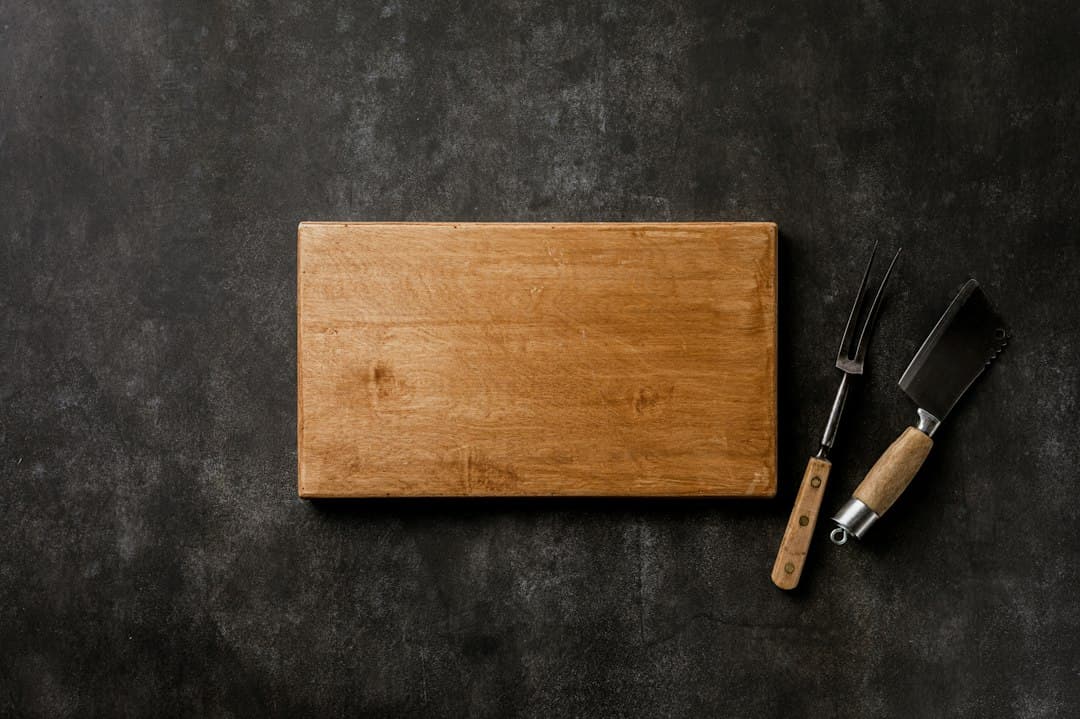
Cutting and charcuterie boards: end-grain and edge-grain boards, personalized with engraving.
Coasters: sets of four or six, including epoxy inlays.
Wooden signs: family names, house numbers and quotes.
Phone and tablet stands
Planters and plant stands
Key holders and entryway organizers
Spice racks
Wine racks and bottle holders
Picture frames
Wooden toys and puzzles (check children's product safety rules before selling)
Medium Projects
Floating shelves: sold in sets in standard sizes.
Bookshelves
Step stools
Benches: entryway and garden benches.
Bed trays and laptop desks
Pet beds and feeding stations
Large and Custom Projects
Dining and coffee tables: high value, made to order.
Headboards
Outdoor furniture: Adirondack chairs and planters.
Built-ins and cabinets: custom work for local clients (check local licensing rules).
How to Price Woodworking
Woodworkers underprice more than almost any other maker. Use a formula and stick to it:
Price = lumber and hardware + finish and consumables + (shop hours × your hourly rate) + overhead + fees + packaging or delivery
Consumables: sandpaper, glue, finish, blades and bits wear out. Add a per-project amount.
Overhead: electricity, tool maintenance, insurance.
Your hourly rate: decide what your time is worth before you quote, and don't discount it to win a sale.
Compare your formula price with similar handmade items. If the market won't pay it, simplify the design, batch-produce it, or choose another product.
If you sell on Etsy, budget for $0.20 per listing, a 6.5% transaction fee on the order total and 3% plus $0.25 U.S. payment processing (Etsy fees, checked October 2026).
Tools You Need to Start Selling
You don't need a full professional shop to sell small projects. A common starting kit:
Cutting: a miter saw or circular saw, plus a jigsaw for curves
Shaping and joining: a drill and driver, clamps (you can never have enough), a router for edges
Finishing: a random orbit sander and sandpaper in several grits
Measuring: a tape measure, combination square and marking tools
Safety: eye and ear protection, a dust mask and dust collection
Add a table saw, planer or jointer as your projects and income grow. Buying tools only when a paying project needs them keeps your hobby profitable.
Choosing Wood for Projects You Sell
Hardwoods like maple, walnut and cherry suit cutting boards and furniture, and buyers pay more for them.
Softwoods like pine suit rustic signs, shelves and outdoor projects at lower cost.
Reclaimed wood adds character and a story, but check it for nails and old finishes.
Plywood works for cabinets and built-ins when edges are finished well.
Tell buyers the species in your listings. "Solid walnut" sells better than "wood."
Batch Production Saves Time
Making ten cutting boards at once takes far less than ten times as long as making one: one setup, one glue-up session, one finishing day. Choose two or three small products to batch and keep in stock, and fill gaps with custom orders.
Where to Sell Woodworking Projects
Local Facebook Marketplace and groups: the best place for furniture, since buyers pick up.
Etsy: good for small, shippable pieces and personalized items. See how to sell on Etsy.
Craft fairs and farmers markets: buyers want to touch wood. See things to sell at a farmers market.
Local boutiques and cafes: consignment for boards and decor.
Instagram and Pinterest: show your process and finished pieces to attract custom clients.
Handling Custom Orders
Custom work pays best but carries the most risk. Protect yourself:
Get a clear brief: dimensions, wood species, finish, budget and deadline.
Send a written quote with what's included.
Take a deposit before buying lumber; many makers ask for half upfront.
Share progress photos to avoid surprises.
Collect the balance before delivery or pickup.
Safety and Legal Basics
Shop safety first: dust collection, eye and ear protection, and guards on your tools.
Food-safe finishes for cutting boards, clearly labeled.
Children's items: toys for kids 12 and under fall under U.S. Consumer Product Safety Commission rules; check the CPSC business guidance.
Taxes: woodworking sales are taxable income, and you may need a sales tax permit.
Growing a Woodworking Side Hustle
Start with small products to build cash flow and reviews.
Photograph everything in good light; your portfolio wins custom work.
Raise prices as demand grows.
Add digital products: plans and templates for your designs. See digital products you can sell.
Teach: local classes or videos bring a second income stream.
Frequently Asked Questions
What woodworking projects sell best?
Cutting boards, coasters, signs, floating shelves and planters sell steadily because they're giftable and affordable. Custom tables and furniture pay more per piece.
Is woodworking a profitable side hustle?
It can be, if you price for lumber, consumables and your time, and batch-produce small items. Underpricing is the most common reason woodworking side hustles lose money.
Where can I sell woodworking projects locally?
Facebook Marketplace, local groups, craft fairs, farmers markets and boutiques. Furniture sells best locally because shipping is expensive.
How do I price custom woodworking?
Add materials, consumables, shop time at your hourly rate, overhead and fees. Take a deposit before you start.
The Bottom Line
Woodworking makes money when you treat it like a small business: a few products you can batch, custom work with deposits, and prices that cover every cost. More ideas in our profitable hobbies list and side hustles for men.