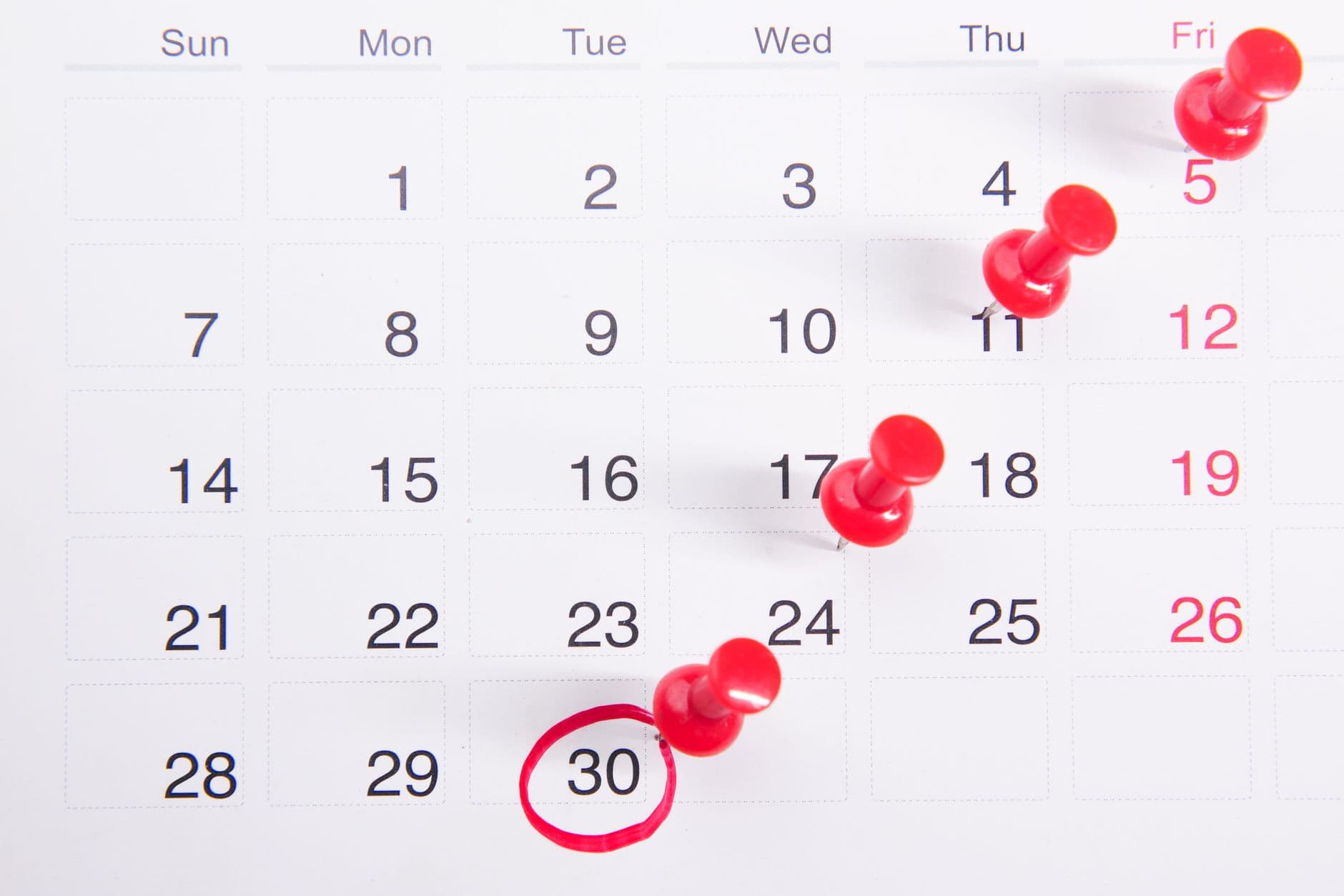
A no spend challenge is one of the fastest ways to see where your money goes. For a set period, you stop all non-essential spending. It sounds simple, and it is, but the details decide whether you finish with real savings or give up on day three.
This guide covers how to set your rules, choose a length, track your progress and use the money you save.
A note: this is general education, not personalized financial advice. If you're in financial hardship, prioritize essentials and reach out to local assistance programs.
What Is a No Spend Challenge?
You buy only essentials for a chosen period. Everything else (takeout, shopping, impulse buys) waits. The goal isn't deprivation; it's breaking autopilot spending and freeing money for savings or debt.
Step 1: Choose Your Length
No spend weekend: a low-pressure test run.
No spend week: long enough to break habits, short enough to finish.
No spend month: the classic challenge; big savings, real habit change.
No spend days: pick specific days each week (for example, every Monday to Thursday).
If you've never done one, start with a weekend or week.
Step 2: Write Your Rules
Decide in advance what counts as essential. Write it down.
Usually allowed:
Rent or mortgage, utilities, insurance and debt payments
Groceries (from a list)
Gas for work and essential trips
Medicine and necessary health costs
Childcare and school costs
Usually paused:
Takeout, delivery and coffee shops
Clothes, decor and gadgets
Entertainment purchases and new subscriptions
Impulse online shopping
Add your own exceptions (a planned birthday gift, a car repair) before you start, so you're not deciding under pressure.
Step 3: Prep Before Day One
Plan meals for the whole challenge and shop once.
Delete saved cards from shopping apps and unsubscribe from sale emails.
List free activities for weekends.
Tell your household the rules so everyone's on board.
Pick your savings target: where the money will go.
Step 4: Use a Simple Tracker
A tracker keeps you honest and makes progress visible. Draw a grid in a notebook or spreadsheet with one row per day:
Day | Spent on essentials | Non-essential spending? | Urge I resisted | Notes |
|---|---|---|---|---|
1 | Groceries | No | Coffee shop | Brought coffee from home |
2 | None | No | Online sale | Unsubscribed from the email |
3 | Gas | No | Takeout | Leftovers night |
Color in each successful day. At the end, add up what you didn't spend compared with a normal week or month.
Step 5: Find Free Things to Do
Parks, trails and free community events
Library books, movies and programs
Game nights and potlucks with friends
Cooking something new from your pantry
Decluttering (and listing things to sell)
Food Is Where Most Challenges Succeed or Fail
Food is where most no spend challenges are won or lost. A few tactics: