Frugal living gets a bad reputation, as if it means reusing tea bags and never having fun. Real frugality is simpler: spend less on things you don't care about so you have more for things you do.
This list of 50 frugal living tips starts with the biggest costs, where savings add up fastest, then moves to everyday habits.
A note: this is general education, not personalized financial advice. Dollarberg isn't a financial advisor.
Start With the Big Three
Small cuts help, but housing, transportation and food usually take the largest share of a budget. One change here can beat a year of skipped lattes.
Housing Tips
Get a roommate or rent out a spare room.
Negotiate your rent at renewal, especially if you've paid on time.
Move somewhere cheaper when your lease ends, if your job allows it.
Shop home and renters insurance every year.
Lower your thermostat in winter and raise it in summer.
Seal drafts around doors and windows.
Switch to LED bulbs.
Unplug devices that draw power when idle.
Wash clothes in cold water and air-dry when you can.
Ask your utility about budget billing or assistance programs.
Grocery and Food Tips
For a sense of scale, the USDA's Thrifty Food Plan, its lowest-cost food plan, was $1,023.20 a month for a reference family of four in June 2026 (USDA, checked October 2026). Here's how to save money on groceries:
Meal plan before you shop.
Shop with a list and stick to it.
Check your pantry first and cook from it.
Buy store brands for staples.
Compare unit prices, not package prices.
Buy in-season produce.
Use frozen fruits and vegetables; they last and reduce waste.
Cook in batches and freeze portions.
Make coffee at home.
Pack lunches for work and school.
Use grocery store apps for digital coupons.
Shop less often; fewer trips mean fewer impulse buys.
Transportation Tips
Keep your current car longer and maintain it.
Shop car insurance every year.
Combine errands into one trip.
Use public transit, biking or walking where practical.
Check tire pressure; it affects fuel use.
Consider one car in a two-car household if schedules allow.
Bills and Subscriptions
Cancel subscriptions you haven't used in a month.
Rotate streaming services instead of keeping them all.
Switch to a cheaper phone plan.
Call your internet provider and ask for a better rate.
Avoid late fees with autopay on minimums.
Stop paying ATM and overdraft fees; use your bank's network and set balance alerts.
Things to Stop Buying to Save Money
Bottled water (use a filter and a reusable bottle).
Single-serve snacks (buy larger packs and portion them).
Extended warranties on small electronics.
Paper towels and plates for everyday use.
Name-brand cleaning products (simple basics work for most jobs).
Impulse "deals" you didn't plan to buy.
Delivery fees for meals you could pick up.
Fast fashion you'll wear once.
Habits for Living Below Your Means
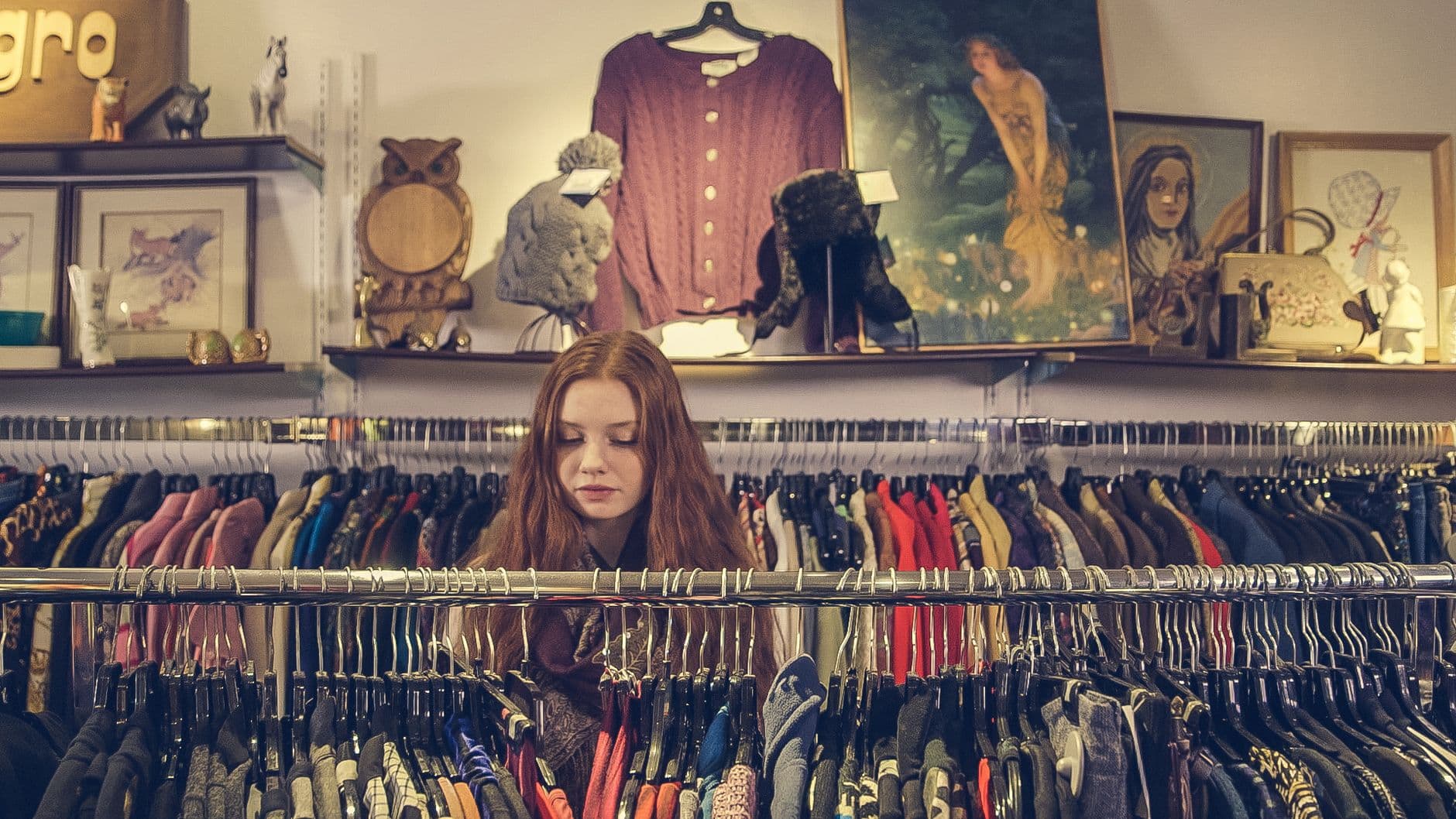
Buying used is one of the simplest ways to cut costs on furniture, kids' items, tools and clothes.