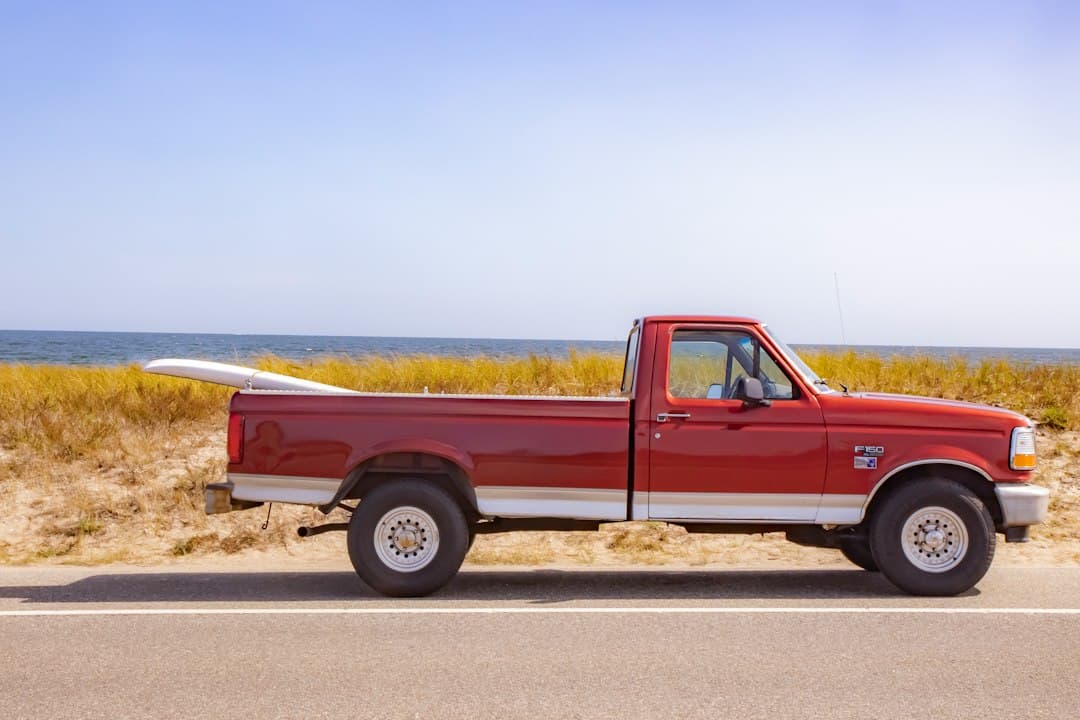
Your car probably sits parked 20-plus hours a day, and it costs you money the whole time. Insurance, payments and depreciation don't care whether you drive it.
That's why making money with your car is such a popular side hustle. You can drive it (delivery, packages, moving help) or let it earn while parked (rentals, wrap ads). Each option below lists the requirements, how it pays and the catch.
How we checked: requirements and pay come from each company's own pages, and driving costs from the IRS, all checked in October 2026. Company earnings claims are labeled as company claims. Nobody at Dollarberg has done all 12.
First: What Driving Really Costs
The IRS standard mileage rate is 76 cents per mile from July 1, 2026 (72.5 cents for January through June), and it estimates the full cost of running a car: gas, maintenance, tires, insurance and depreciation (IRS, checked October 2026).
Use it as a yardstick for every driving gig: earnings minus miles × cost per mile is what you really made. An offer that pays $10 for 12 miles is very different from $10 for 3 miles.
Top 7 Quick Picks
Food delivery (DoorDash, Uber Eats, Grubhub): the easiest to start.
Amazon Flex: scheduled package routes.
Grocery delivery (Instacart, Spark): bigger orders, visible tips.
Moving help with GoShare: higher pay if you have a pickup or van.
Renting your car on Turo: earn while it's parked.
Car wrap advertising: get paid to drive your normal routes.
Rideshare: drive people instead of food.
Driving Gigs
1. Food Delivery
How it works: Pick up restaurant orders and deliver them through DoorDash, Uber Eats or Grubhub. Requirements: DoorDash lists 18+ (higher in some states), a license, a background check and a vehicle (DoorDash). Uber requires 19+ to deliver by car, 21 in California and New York (Uber). Pay: Base pay, promotions and 100% of tips on all three apps. Catch: Unpaid waiting and lots of short trips. See is DoorDash worth it and our jobs like Uber Eats comparison.
2. Amazon Flex
How it works: Reserve a delivery block, collect packages at a station, deliver the route. Requirements: 21+, a valid license, a qualifying vehicle and a smartphone. Pay: Amazon says "most drivers earn $18–25 an hour," varying by location, tips and delivery time (Amazon Flex). Catch: Blocks go fast, and your vehicle costs come out of that hourly figure.
3. Grocery Delivery
How it works: Shop and deliver groceries through Instacart, or take Walmart orders through Spark Driver. Requirements: Spark requires 18+, a driver's license, a Social Security card, auto insurance and a background check (Spark Driver). Pay: Per batch or per offer, plus tips. Instacart says 100% of tips go to shoppers. Catch: Heavy items and longer trips. Compare in Instacart vs DoorDash.
4. Rideshare
How it works: Drive passengers with Uber or Lyft. Requirements: Stricter vehicle rules than delivery (age of car, four doors, inspections in many cities). Pay: Per trip plus tips. Catch: More wear, more cleaning, and passengers in your car.
5. Same-Day Courier Gigs
How it works: Apps like Roadie match drivers with items that need to go somewhere today. Requirements: Check each app's driver page. Pay: Per gig, shown before you accept. Catch: Gig volume is uneven.
Gigs for Trucks and Vans
Bigger vehicles open better-paying gigs, because customers need help moving things that don't fit in a sedan.