
Emma was skeptical when her roommate mentioned selling feet pictures online. Three weeks later, she'd made her first $500. Six months in, she was clearing $3,000 monthly while working her regular job.
This isn't unusual. The feet pic market has grown into a legitimate industry where sellers earn between $5 to $100 per image, with successful sellers making up to $70,000 annually.
The demand comes from surprising sources: stock photography agencies, footwear companies, podiatrists, beauty brands, and marketing agencies all need quality feet content.
The stock photography market continues showing strong growth, with niche content like feet pictures commanding premium prices due to consistent demand and limited supply.
But here's what most beginners don't realize: success in this market isn't about having "perfect" feet. It's about understanding what buyers want, creating quality content, and knowing how to price and market yourself effectively.
This complete guide walks you through everything—from your first photo to scaling to consistent monthly income.
You'll learn the photography basics, pricing strategies, marketing tactics, and safety protocols that separate profitable sellers from those who give up after two weeks.
Ready to turn your feet into a legitimate income stream? Let's start with understanding the market.

FeetFinder
FeetFinder is the best website for anyone interested in buying or selling feet content, especially for beginner sellers looking to enter the market.
Understanding the Feet Pic Market
Before you take a single photo, you need to understand who's buying and why. This knowledge shapes everything from your content style to your pricing strategy.
1. Who Actually Buys Feet Pictures?

The buyers aren't who most people assume. The market includes:
Stock photography agencies - Need diverse feet images for their libraries
Advertising and marketing agencies - Use them in campaigns for shoes, socks, nail polish, and foot care products
Footwear companies - Require authentic product showcase images
Podiatrists and medical professionals - Purchase images for educational materials and presentations
Jewelry companies - Want feet photos showcasing anklets and toe rings
Individual collectors - Some buyers have foot fetishes and seek personalized content
Stock photography agencies need diverse feet images for their libraries. Advertising agencies use them in campaigns for shoes, socks, nail polish, and foot care products. Podiatrists purchase images for educational materials and medical presentations. Jewelry companies want feet photos showcasing anklets and toe rings.
Yes, some buyers have foot fetishes. But this represents just one segment of a much larger commercial market. Understanding this diversity helps you target the right platforms and create content that appeals to multiple buyer types.
2. Why the Demand Continues Growing
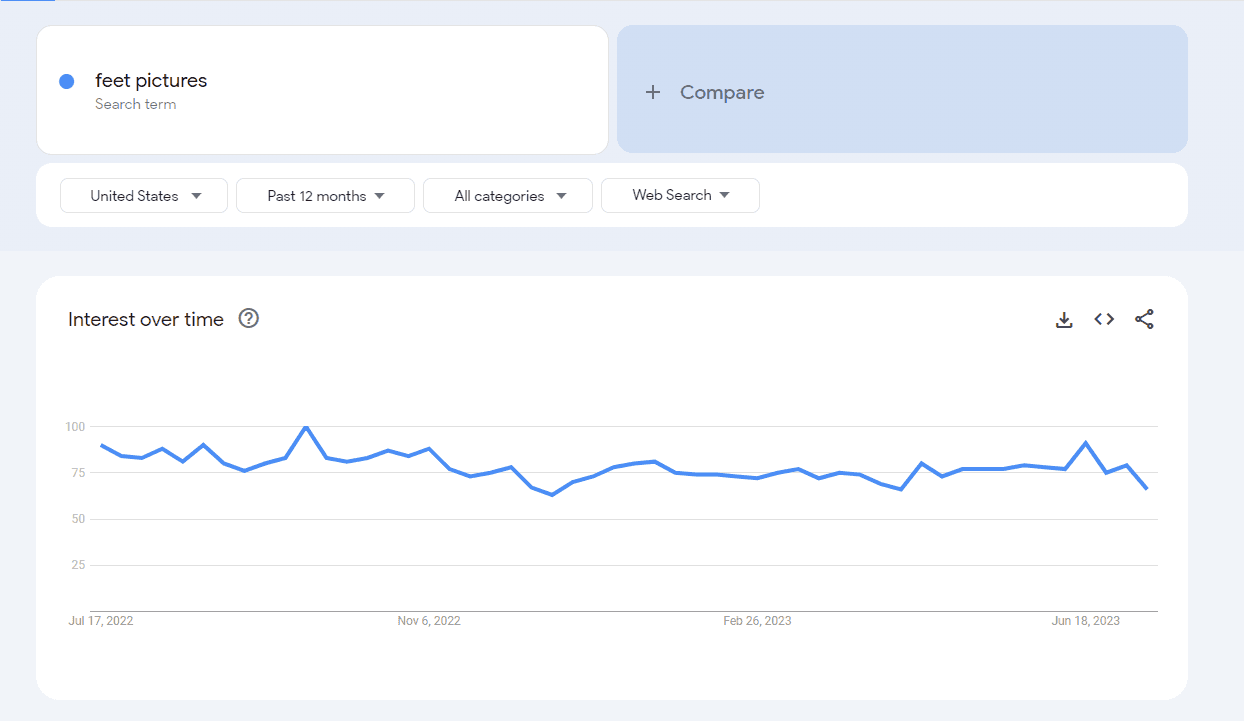
The stock photography market shows consistent growth, and specialized content like feet photography fills gaps that generic stock images can't address.
Companies need authentic, diverse imagery. Generic stock photos feel staged and inauthentic—exactly what modern marketing avoids. Your feet pictures offer the genuine, relatable content that businesses crave.
The rise of e-commerce and social media has multiplied this demand. Every product listing, Instagram ad, and blog post needs visual content. Feet images work for countless applications: footwear reviews, pedicure tutorials, relaxation content, travel blogs, and health articles.
3. Income Potential: What You Can Realistically Earn
According to market research, sellers can earn up to $500 weekly selling foot pictures online. But let's break down what that actually means for different commitment levels.
Casual sellers posting 5-10 photos weekly typically earn $200-$500 monthly. This involves minimal time investment—maybe 2-3 hours weekly for photography and platform management.
Consistent sellers who treat this as a serious side hustle and post 15-20 photos weekly earn $1,000-$3,000 monthly. This requires 5-10 hours weekly but creates sustainable income.
Full-time sellers building brands and offering custom content report earnings from $3,000-$10,000+ monthly. Top sellers on FeetFinder make between $3,000 to $5,000 monthly when they combine technical photography skills with strategic marketing.
The math is straightforward: Average photos sell for $17 and videos for $22. If you sell 10 photos weekly at $15 each, that's $600 monthly. Scale to 20 photos at $20 each, and you're at $1,600 monthly.
Custom requests drive premium pricing. A buyer wanting specific poses, nail polish colors, or props will pay $50-$150 per photo. These requests take more time but significantly boost your average earnings.
Quick Win: Start with the expectation of $100-$300 your first month. This keeps you motivated without unrealistic pressure. Most sellers break $500 monthly by month three once they understand what sells.
Understanding the market is step one. Now let's set up your foundation for success.
Save or Bookmark this Page on Pinterest
I'll be updating this article every season, so make sure you click the button below and save this blog post to your favorite Pinterest board.
Pinning it will ensure that you can refer back to this detailed article!
Getting Started: Initial Setup
Starting right saves you from expensive mistakes later. Your initial setup determines how quickly you gain traction and start earning.
1. Choosing Your Niche and Style
Not all feet content sells equally. Identifying your niche helps you stand out and attract specific buyers willing to pay premium prices.
Popular niches include:
A. Natural and wellness: Clean, relaxed feet in natural settings. This appeals to wellness brands, spa businesses, and lifestyle publications.
B. Fashion and beauty: Polished nails, jewelry, and stylish presentation. Jewelry companies, fashion blogs, and beauty brands love this content.
C. Fitness and active: Feet in motion—yoga poses, running, dancing. Fitness brands and athletic companies seek authentic action shots.
D. Artistic and creative: Unusual angles, dramatic lighting, abstract compositions. Stock photography buyers and creative agencies pay premium for unique perspectives.
Your niche should match your strengths and interests. If you love nail art, lean into beauty content. Enjoy yoga? Create wellness and fitness shots. Your genuine interest shows in the final images.
2. Understanding Themes and Styles

Within your niche, explore specific themes that buyers consistently request.
High-demand themes include:
Tops of feet with natural elements like flowers, grass, or sand
Nature-inspired shots blending feet with outdoor scenery
Shoes and heels showcasing different footwear styles
Painted nails featuring various colors and nail art designs
Feet with accessories like anklets, toe rings, or bracelets
Seasonal content matching holidays and weather changes
Higher-quality images, videos, or themed shoots can command $50 or more. Themed content consistently outperforms random shots because it serves specific buyer needs.
3. Equipment You Actually Need

You don't need professional photography equipment to start. Most successful sellers begin with smartphones and basic accessories.
Essential equipment:
A. Camera: Your smartphone works perfectly. Modern phones shoot in high resolution with excellent detail. If you want to upgrade later, cameras like the Canon M50 offer professional quality at beginner prices ($500-$700).
B. Lighting: Natural light is free and beautiful. Shoot near windows during daylight hours. For artificial lighting, a basic ring light costs $20-$40 and dramatically improves photo quality.
C. Tripod: A smartphone tripod costs $15-$30 and eliminates shaky images. This lets you shoot hands-free and experiment with angles.
D. Foot care kit: Keep your feet looking their best. Basic kits ($20-$30) include nail files, cuticle tools, and moisturizers.
E. Nail polish or press-ons: A collection of popular colors costs $30-$50. Red, nude, and pastel shades sell consistently well.
F. Props: Simple items like flowers, fabric, sand, or small decor pieces add visual interest. Raid your home first—many props are already around you.
G. Editing apps: Free apps like Snapseed, VSCO, or Lightroom Mobile handle basic editing. Paid versions ($5-10 monthly) unlock advanced features.
Total startup cost: $100-$200 covers everything you need to create professional-quality content. This low barrier to entry makes feet pic selling accessible to anyone serious about trying it.
4. Setting Up Accounts

Want to know exactly which platforms to choose? Read our detailed comparison: 20 Best Places to Sell Feet Pics Online (2025) for platform reviews, pricing breakdowns, and selection guidance tailored to your experience level and goals.
Choose 2-3 platforms from our platform guide to start. Creating accounts takes 30-60 minutes per platform.
Each platform requires:
Profile photo (can be a logo or blurred image—never your face)
Bio describing your content style and offerings
Pricing information or rates
Payment method setup
Identity verification (most platforms require ID to prove you're 18+)
Verification typically takes 24-48 hours. During this time, prepare your content library so you're ready to upload immediately upon approval.
Use a dedicated email address for your feet pic business. This separates your personal and business communications and improves security.
Pro Tip: Create consistent usernames across all platforms. This builds brand recognition and makes it easier for buyers to find you everywhere.
Your setup is complete. Now let's prepare you for success with the right foot care and photography basics.
Preparing for Success
Quality separates profitable sellers from those making pocket change. Preparation ensures every photo you take has earning potential.
1. Essential Foot Care

Your feet are your product. Regular maintenance isn't optional—it directly impacts your earnings.
Daily foot care routine:
A. Moisturize twice daily. Morning and night, apply quality foot cream or lotion. This keeps skin soft and prevents dryness or cracking. Buyers notice dry, cracked heels immediately.
B. Exfoliate 2-3 times weekly. Use a pumice stone or foot file to remove dead skin. Focus on heels and the balls of your feet where calluses form.
C. Soak your feet weekly. Warm water with Epsom salt softens skin and relaxes feet. This makes them look refreshed and healthy in photos.
D. Trim and file nails regularly. Keep nails at a consistent, neat length. File edges smooth to prevent sharp corners.
E. Push back cuticles gently. Don't cut them—this causes infection risk. Push them back after soaking when they're soft.
Professional pedicures aren't necessary, but they help if you struggle with DIY maintenance. Many sellers get monthly pedicures ($30-$50) to maintain consistent quality.
2. Photography Basics That Matter
Technical photography knowledge isn't required, but understanding a few fundamentals dramatically improves your images.
A. Lighting creates or destroys photo quality. Natural window light during golden hour (an hour after sunrise or before sunset) produces the most flattering results. The soft, warm light minimizes imperfections and creates appealing shadows.
For artificial lighting, position your light source at a 45-degree angle from your feet. This creates depth without harsh shadows. Ring lights provide even illumination that works for any angle.
B. Angles determine visual appeal. Experiment with these proven angles:
Bird's eye view: Shoot directly from above looking down. This shows nail polish clearly and works great for flat lays with props.
Side profile: Capture from the side to showcase arch shape and foot contour. This angle emphasizes elegance.
Close-up detail: Fill the frame with your feet, showing texture and detail. Perfect for showcasing nail art or jewelry.
Low angle: Shoot from below looking up. This creates a powerful, dramatic perspective that stands out in feeds.
Take multiple shots from each angle during every session. You'll choose the best later during editing.
C. Background matters more than you think. Clean, simple backgrounds keep focus on your feet. White sheets, wooden floors, grass, sand, or solid-colored blankets all work beautifully.
Avoid cluttered backgrounds with random objects. Every element in the frame should intentionally contribute to the image's story.
D. Props add context and interest without overwhelming the shot. Fresh flowers, elegant fabric, jewelry, books, or seasonal items create themed content that commands higher prices.
Keep props simple and on-brand with your chosen niche. A wellness creator uses natural elements. A fashion creator uses stylish accessories.
3. Creating Your First Portfolio
Before listing anything for sale, build a starter portfolio of 15-20 varied images. This library lets you upload consistently when you launch.
Your initial portfolio should include:
5 images of tops of feet in different settings
3-4 close-up detail shots
3-4 images with different nail colors
2-3 themed shots with props or seasonal elements
2-3 images showcasing different angles
Variety attracts more buyers. Someone searching for red nail polish finds you. Someone wanting outdoor nature shots also finds you. Your diverse portfolio increases your discoverability.
Watch Out: Don't obsess over perfection. "Good enough" photos posted today beat "perfect" photos you never finish. You'll improve naturally with practice.
Your foundation is solid. Now let's create content that actually sells.
Creating High-Quality Content

Understanding what sells and how to create it separates struggling sellers from consistent earners.
1. Popular Themes That Consistently Sell
Certain themes have proven demand across multiple buyer types. Focus your early content on these reliable categories:
A. Seasonal content aligns with buyer needs throughout the year. Summer beach feet, fall leaves and boots, winter cozy socks, spring flowers and sandals—seasonal content always finds buyers preparing campaigns and content.
B. Holiday-themed shots sell at premium prices weeks before major holidays. Valentine's hearts, Halloween spooky elements, Christmas festive decor—create and list these 3-4 weeks early.
C. Lifestyle scenarios show feet in relatable situations. Morning coffee in bed, reading in a cozy chair, working from home, relaxing after a workout—these tell stories that resonate with buyers.
D. Product-focused content features specific items buyers can imagine using. Shoes being worn, nail polish being displayed, jewelry being showcased, socks or hosiery being modeled—this serves commercial buyers directly.
E. Artistic and abstract shots appeal to creative buyers seeking unique perspectives. Unusual shadows, dramatic black and white, reflection shots, geometric compositions—these command premium prices from design-focused buyers.
Don't randomly create content. Research what's selling on your chosen platforms. Notice which posts get the most engagement. Replicate successful themes with your own creative spin.
2. Camera Angles and Poses
Many models report making $50-$200 for a few photos, and the difference often comes down to mastering angles and poses.
Essential poses to master:
A. Heel pop: Lift heels off the ground while keeping toes planted. This emphasizes arch definition and creates elegant lines. Perfect for showing polish and jewelry.
B. Sole shot: Show the bottom of your feet by lifting them toward the camera. This unique perspective appeals to specific buyer segments.
C. Toe point: Extend and stretch your toes fully. This lengthens your feet visually and creates graceful lines. Ballet and yoga brands love this pose.
D. Foot arch display: Stand or sit with one foot positioned sideways to showcase arch height. This emphasizes foot contour and shape.
E. Crossed ankles: Cross one ankle over the other while sitting or lying down. This creates a relaxed, casual vibe perfect for lifestyle content.
F. Natural standing: Simply stand naturally and shoot from various angles. Sometimes the most straightforward shots sell best because they're versatile.
Cycle through 5-6 poses during each photo session. This creates variety without requiring multiple setups.
3. Quality Standards Buyers Expect
Your technical quality must meet minimum standards or buyers scroll past without engaging.
A. Resolution: Shoot in your camera's highest quality mode. Most buyers want images at least 2000 pixels on the shortest side. Higher resolution allows them to crop and resize for their needs.
B. Focus: Your feet must be sharp and in focus. Tap your phone screen on your feet before shooting to ensure focus locks correctly. Blurry images never sell.
C. Lighting: Images should be well-lit with balanced exposure. No extreme shadows obscuring details or overexposed bright spots losing information.
D. Clean editing: Light editing enhances images but over-editing destroys credibility. Adjust brightness, contrast, and saturation subtly. Heavy filters and unnatural colors hurt more than help.
E. Cleanliness: Every photo should show clean, well-maintained feet. Lint, fuzz, dirt, or unkempt nails tank your reputation instantly.
Review each image at 100% zoom before uploading. If you notice any issues, reshoot or fix in editing. One low-quality image damages your entire portfolio's credibility.
4. Building Variety in Your Portfolio
Higher-quality images, videos, or themed shoots can command $50 or more. Building portfolio variety helps you capture more of the market.
Aim for this portfolio composition:
40% classic beauty shots - Clean, polished feet with great lighting and nail polish
30% themed/seasonal content - Holiday, seasonal, or lifestyle-focused images
20% niche content - Your specialty (fitness, wellness, fashion, etc.)
10% experimental/artistic - Creative angles, black and white, abstract shots
This balance ensures you appeal to mainstream buyers while still offering unique content that differentiates you from competition.
Add 3-5 new images weekly minimum. Consistent uploading signals active sellers and improves platform algorithms' promotion of your content.
Quick Win: Batch your photo sessions. Dedicate 2 hours weekly to shoot 15-20 photos with different angles, backgrounds, and props. This gives you content for 3-4 weeks of consistent posting.
You've created quality content. Now let's price it to maximize your earnings.
Pricing Your Content
Pricing determines whether you make pocket change or substantial income. Too low and you undervalue yourself. Too high and buyers move on.

1. Market Research Approach
Before setting any prices, spend 2-3 hours researching what similar sellers charge on your chosen platforms.
Browse profiles of sellers with similar experience levels. Don't compare yourself to top sellers who've built followings over years. Find people who joined 3-6 months ago and check their pricing.
Note the range: What's the lowest price you see? What's the highest? Most importantly, what's the average? This range gives you realistic boundaries.
Analyze by content type: Single photos price differently than photo sets, videos, or custom requests. Understand the pricing tiers within each category.
On average, you can sell feet pics for between $5-$20+ each. Those who are more creative and put in additional effort can fetch up to $100 per foot pic, especially for custom requests or long feet videos.
2. Pricing Strategies for Beginners
Your pricing should reflect your experience while remaining competitive enough to generate initial sales and reviews.
Start conservatively. As a new seller with no reviews or reputation, price 10-20% below the average you identified in research. If average is $15, start at $12-13 per photo.
This slight discount helps you generate initial sales quickly. Reviews and ratings matter more than squeezing maximum price from day one. Five sales at $12 and five 5-star reviews position you better than zero sales at $20.
Create tiered pricing:
Single photos: $10-15 each
Photo sets (3-5 images): $25-40 per set
Video clips (30-60 seconds): $25-35
Custom requests: $40-75+ depending on complexity
Bundles encourage larger purchases. A buyer wanting one photo might buy a set if the per-image price drops from $15 to $10 within the bundle.
3. Custom Content Pricing
Custom requests generate your highest per-piece revenue but require more work.
Price custom content based on:
A. Specificity: Simple requests ("red polish, toes pointed") cost less than detailed requests ("specific pose, specific background, specific jewelry, specific lighting").
B. Time investment: If a request needs special props, location changes, or elaborate setup, charge accordingly.
C. Usage rights: If a buyer wants exclusive rights (you can't resell the images), charge 2-3x your standard rate. Your usual photo might sell to 10 buyers at $15 each ($150 total). Exclusive rights mean that buyer pays the full potential value.
Start custom pricing at $40-50 for simple requests and scale up to $100-150 for complex or exclusive content.
Always discuss and agree on pricing before creating custom content. Get payment upfront when possible to avoid wasted work.
4. Packages and Tiers
Structured packages simplify buyer decisions and increase your average transaction value.
Example package structure:
Starter Pack: 5 photos of buyer's choice - $45 ($9 per photo)
Standard Pack: 10 photos + 1 short video - $110
Premium Pack: 20 photos + 3 videos + 2 custom requests - $250
Ultimate Pack: 30 photos + 5 videos + 5 custom requests + exclusive content - $500
Packages create perceived value. The per-item cost decreases as package size increases, encouraging buyers to spend more.
Subscription models (where platforms support them) create recurring revenue. Offer weekly or monthly content deliveries at discounted rates. $40/month for 8 new photos provides you predictable income and keeps buyers engaged long-term.
5. When to Raise Prices
Don't stay at beginner pricing forever. Plan price increases based on measurable milestones.
Raise prices when:
You've completed 20+ sales with average 4.5+ star ratings
Your response rate and delivery time consistently outperform competitors
You're selling everything you post within 48 hours (demand exceeds supply)
You've been active for 3+ months and built portfolio variety
You've improved your photography and editing skills noticeably
Increase by $2-5 per item every 2-3 months as you hit these milestones. Gradual increases maintain buyer confidence while reflecting your growing expertise.
Pro Tip: Grandfather existing good customers at old prices for one month after raising rates. This rewards loyalty while transitioning to your new pricing structure.
You've priced your content competitively. Now let's get it in front of buyers.
Marketing & Client Acquisition
Creating great content means nothing if nobody sees it. Marketing drives discovery and converts browsers into buyers.
1. Building Your Presence
Your profile is your storefront. First impressions determine whether potential buyers explore further or move on.
Optimize your profile with:
A. Professional profile image: Use a logo, artistic feet shot (no face), or abstract image that represents your brand. Never use your face for safety and privacy.
B. Compelling bio: Explain your content style, update frequency, and what makes you unique. Keep it under 150 words. Focus on buyer benefits, not your personal story.
C. Clear pricing: Display your starting prices and package options. Transparency reduces friction and attracts serious buyers.
D. Recent activity: Upload new content weekly minimum. Profiles with recent uploads rank higher in platform searches and appear more trustworthy.
E. Contact preferences: State your response time and preferred communication method. Managing expectations prevents frustration.
2. Social Media Strategies
Social platforms drive traffic to your paid selling platforms. Use them as top-of-funnel awareness tools.
A. Instagram strategy: Create an account focused on foot care education, nail trends, or wellness content—not explicitly selling.
Post 3-4 times weekly with content like:
Nail art inspiration and tutorials
Foot care tips and product reviews
Behind-the-scenes of your photography process
Lifestyle content showing your aesthetic
Include your selling platform link in your bio. Instagram doesn't allow clickable links in posts, so direct people to "link in bio" in your captions.
B. TikTok strategy: TikTok offers viral potential for sellers willing to create short-form video. Educational content performs best: nail art tutorials, foot care routines, photography tips, or ASMR-style relaxation content.
Use trending sounds and participate in relevant trends while keeping content professional. TikTok's algorithm can expose you to millions of viewers if content resonates.
C. Twitter (X) strategy: Twitter allows more explicit discussion of your selling business. Use relevant hashtags, engage with potential buyers, and share links to your selling platforms directly.
3. SEO for Your Profiles
Search optimization applies to selling platforms too. Buyers search for specific terms—make sure you appear in results.
Use relevant keywords in:
A. Profile name and bio: If buyers search "red nail polish feet pics," include those terms naturally in your profile.
B. Image titles: Instead of "IMG_1234.jpg," rename to "red-polish-beach-feet.jpg" before uploading.
C. Image descriptions: Write 2-3 sentences describing each image using natural language that includes relevant keywords.
D. Tags and categories: Use all available tagging options platforms provide. More tags = more ways buyers discover you.
Don't keyword stuff. Use terms naturally as if you're describing your content to a friend. Search algorithms detect and penalize obvious manipulation.
4. Hashtag Strategies
Hashtags categorize your content and improve discoverability on social platforms and some selling platforms.
Use a mix of:
A. Broad hashtags: #feetpics #feetcontent #footmodel - High search volume but more competition
B. Niche hashtags: #rednailpolish #beachfeet #yogafeet - Lower volume but more targeted and less competition
C. Branded hashtags: Create your own unique hashtag for your brand - Helps loyal customers find all your content
Use 8-15 hashtags per post on Instagram, 3-5 on Twitter, and whatever your selling platform allows. Research which hashtags your successful competitors use.
Update your hashtag list monthly based on performance. Drop hashtags that don't drive engagement and test new ones.
5. Engaging with Potential Buyers
Marketing isn't just broadcasting—it's conversation. Active engagement converts casual browsers into paying customers.
A. Respond to all comments and messages within 24 hours. Fast responses signal professionalism and build trust. Even if you can't fulfill a request, acknowledge it promptly.
B. Ask questions in your posts and content. "Which nail color should I shoot next—red or blue?" "Vote in the comments!" Engagement algorithms reward posts with high interaction.
C. Join relevant communities and groups. Participate authentically without spamming. Answer questions, share genuine advice, and establish yourself as a helpful community member. This builds authority and attracts buyers naturally.
D. Share customer testimonials (with permission). "Working with [buyer name] was great! Here's what they said about my work..." Social proof dramatically increases conversion rates.
Watch Out: Never spam. Quality engagement with 10 genuinely interested people converts better than annoying 1,000 people with generic messages.
Marketing drives awareness, but advanced strategies multiply your earnings. Let's explore those next.
Advanced Strategies

Once you're making consistent sales, these advanced tactics help you scale from side income to substantial earnings.
Building a Personal Brand
Top sellers in this market aren't anonymous content creators—they're brands with recognizable styles and loyal followings.
Define your brand identity:
Visual consistency: Use similar backgrounds, lighting styles, and color palettes across all content. When buyers see your work, they should recognize it as yours immediately without checking the username.
Content personality: Are you elegant and sophisticated? Fun and playful? Natural and wellness-focused? Your brand personality should align with your target buyer demographic.
Unique value proposition: What makes your content different? Maybe you specialize in outdoor nature shots no one else does. Perhaps your nail art is exceptionally creative. Identify and emphasize what sets you apart.
Consistent posting schedule: Brands are reliable. If buyers know you post new content every Tuesday and Friday, they check back regularly. Inconsistency makes you forgettable.
Sara started selling foot pictures as a side hustle to pay off her student loans. Within six months, she was making over $3,000 a month, focusing on high-quality, themed collections. Her success came from brand consistency—buyers knew her work immediately.
Creating Subscription Models
Where platforms support subscriptions, they transform one-time buyers into recurring revenue sources.
Subscription benefits for you:
Predictable income: $40/month from 50 subscribers = $2,000 guaranteed monthly before any additional sales.
Compound growth: Satisfied subscribers rarely cancel. Your subscriber count grows monthly while previous subscribers continue paying.
Lower marketing cost: You market once to acquire a subscriber. They generate revenue for months or years afterward.
Structure subscription tiers:
Basic Tier ($15/month): 4 new photos monthly + early access to new content
Standard Tier ($30/month): 8 new photos + 2 videos monthly + exclusive content
Premium Tier ($60/month): 15 photos + 5 videos + 2 custom requests monthly + direct messaging access
Tiered subscriptions let buyers choose their commitment level while maximizing your total revenue.
Scaling with Multiple Platforms
Don't limit yourself to one platform. Our platform guide breaks down 20 options—use 3-5 simultaneously once you're established.
Multi-platform strategy:
Primary platform: Choose one where you focus 50% of your effort. This becomes your main income source and where you build your strongest reputation.
Secondary platforms (2-3): Allocate 30-40% of effort across these. They diversify your revenue and hedge against platform policy changes.
Traffic platforms: Use remaining 10-20% of effort on social media to drive awareness and funnel buyers to your selling platforms.
Cross-post content across all platforms. The same photo that sells on Feet Finder can sell on Fun with Feet and OnlyFans. Triple the revenue from the same work.
Analytics and Optimization
Data-driven decisions outperform guessing. Most platforms provide basic analytics—use them strategically.
Track these metrics:
View-to-sale conversion rate: What percentage of people who view your content actually purchase? Industry average is 2-5%. If you're below 2%, improve your thumbnail quality or adjust pricing.
Best-performing content types: Which themes, angles, or styles generate the most sales? Double down on what works.
Peak posting times: When do your posts get the most engagement? Schedule new content during these windows.
Revenue per piece: Track which items generate the most income. Custom requests averaging $75 are more valuable than single photos averaging $12—prioritize accordingly.
Review analytics monthly. Identify your top 3 performing content types and create more of those. Stop creating content that consistently underperforms.
Exclusive Content Packages
Exclusivity commands premium pricing. Buyers pay more for content no one else can have.
Exclusive package structure:
Personal exclusivity: This content goes to this buyer only, but you retain rights. Charge 2-3x standard pricing.
Full commercial rights: Buyer can use content commercially, but you can still sell it. Charge 3-5x standard pricing.
Complete exclusivity: Buyer gets all rights; you can never sell it again. Charge 5-10x standard pricing.
Always use written agreements for exclusive sales. Specify exactly what "exclusive" means to avoid disputes later.
Building Repeat Customer Base
Acquiring new customers costs 5x more than retaining existing ones. Build loyalty strategically.
Customer retention tactics:
Loyalty discounts: "Thanks for being a repeat customer! Enjoy 15% off your next purchase."
Early access: Give repeat buyers first look at new content before public release.
Personalized service: Remember preferences and suggest new content matching their interests. "You loved my beach photos—here's my new coastal collection!"
Surprise bonuses: Occasionally include an extra photo or discount code with purchases. Unexpected value creates strong positive associations.
Thank you messages: Simple, genuine appreciation after purchases builds relationships. "Thank you so much for your purchase! I hope you love this set."
Track repeat buyers in a spreadsheet. Note their preferences, purchase history, and communication style. Personalized service sets you apart from sellers who treat every transaction identically.
Leveraging Seasonal Trends
Markets shift seasonally. Smart sellers anticipate and capitalize on these patterns.
Seasonal strategy:
Pre-create seasonal content 3-4 weeks early. December 1st is too late to create Christmas content—buyers want it in November for their December campaigns.
Summer (June-August): Beach, sandals, outdoor activities, vacation vibes
Fall (September-November): Boots, cozy socks, autumn leaves, pumpkin spice aesthetic
Winter (December-February): Holiday themes, warm indoor settings, snow scenes, fireside content
Spring (March-May): Flowers, fresh bright colors, outdoor awakening, spring shoes
Seasonal content sells at 20-30% premium because buyers need it urgently. A winter cozy feet photo might sell for $15 normally but $20-25 during November-December.
Create and stockpile seasonal content during off-seasons when you have time. This lets you focus on sales and customer service during peak demand periods.
Pro Tip: Create an editorial calendar mapping seasonal content 3 months ahead. This prevents last-minute scrambling and ensures you're always ahead of market demand.
You've learned the strategies that scale income. But avoiding common mistakes protects the income you've built.
Common Mistakes to Avoid
Learning from others' mistakes saves you time, money, and frustration. These errors cost sellers thousands in lost revenue annually.
1. Underpricing Initially
The biggest mistake beginners make is pricing too low out of insecurity. You think $3 photos will generate more sales than $10 photos.
The reality: Extremely low pricing signals low quality. Buyers assume cheap content isn't worth their time. You also attract difficult customers who complain regardless of price.
Research shows sellers can earn between $5 and $100 per image. Starting at $8-12 positions you as mid-tier quality—accessible but not bargain-basement. You'll attract better buyers and make more per sale.
The calculation: Selling 10 photos at $3 = $30. Selling 5 photos at $12 = $60. You make more money with half the transactions and half the customer service burden.
Price based on market research, not fear. Confidence in your pricing communicates confidence in your quality.
2. Poor Photo Quality
Blurry images, bad lighting, cluttered backgrounds, and unfocused shots kill sales instantly. Quality is non-negotiable in visual markets.
Quality checklist for every photo:
Sharp focus on your feet (tap screen to focus before shooting)
Adequate lighting with no harsh shadows or overexposure
Clean background without distracting elements
High resolution (minimum 2000 pixels on shortest side)
Clean, well-groomed feet in every frame
Proper color balance (whites look white, not yellow or blue)
Take 10-15 shots from each angle and choose the best 2-3. Editing can enhance photos but can't fix fundamentally flawed images.
If you're consistently struggling with quality, invest 2-3 hours watching free YouTube tutorials on smartphone photography. The technical skills aren't complex—you just need to learn them once.
3. Inconsistent Posting
Posting 20 photos one week then nothing for three weeks kills momentum. Platform algorithms reward consistent activity. Buyers forget about you. Your income becomes unpredictable.
Consistency beats intensity. Five photos weekly for 10 weeks (50 total) generates better results than 50 photos in one week then silence.
Set a sustainable posting schedule: 3-5 new items weekly for most sellers. Use your batch photography sessions to create content banks that sustain consistent uploading even during busy periods.
Calendar reminders help. "Tuesday 7 PM: Upload 2 new photos" as a recurring event prevents forgetting.
4. Not Watermarking
You upload beautiful photos without watermarks. Someone downloads them, reposts them as their own, and sells your work. You have no recourse.
Every photo needs a watermark before uploading. Place it strategically where it's visible but not overly distracting. Typically, across the center or bottom works best.
Use apps like Canva, Watermark Photo, or Photo Watermark to add your username or logo. Make the watermark translucent enough to not ruin the image but opaque enough that it can't be easily removed.
Buyers receive unwatermarked versions after purchase. Preview images should always be watermarked.
5. Sharing Personal Information
Excitement about your first sale leads to oversharing. You tell a buyer your real name, city, workplace, or other identifying details. Now you're vulnerable.
Never share:
Your real name (use a pseudonym or business name)
Your face in photos
Your location more specific than state/region
Your workplace or school
Your other social media accounts unrelated to feet content
Your phone number (use platform messaging only)
Your personal email (use a business-only email)
Professional boundaries protect you. Buyers don't need personal information to purchase your content. If someone insists on personal details, they're not a legitimate buyer—they're a risk.
6. Ignoring Platform Rules
Each platform has terms of service. Violating them gets your account suspended or banned, losing your income source immediately.
Common rule violations:
Requesting payment outside platform systems to avoid fees
Posting prohibited content types
Harassing or spamming other users
Creating multiple accounts to circumvent restrictions
Selling to minors (never, ever)
Posting content you don't own
Read the terms of service for every platform you use. It's boring but essential. One violation can destroy months of work.
7. Falling for Scams
Common scams targeting feet pic sellers cost people hundreds or thousands annually.
Red flags indicating scams:
A. Overpayment scams: "I'll pay you $500 for a $50 photo, just refund the difference." The initial payment is fake; you lose the refund money.
B. Advance fee scams: "Pay me $50 to verify your account and I'll buy $500 worth of content." You never hear from them again.
C. Personal information requests: "I need your bank account details to send payment directly." They're stealing your information, not buying anything.
D. Too-good-to-be-true offers: "I'll pay you $1,000 per photo just for me." Legitimate buyers don't pay 10x market rate randomly.
E. Phishing links: "Click here to verify your account." The link steals your login credentials.
Trust your instincts. If something feels off, it probably is. Legitimate buyers follow normal purchasing processes without drama, urgency, or unusual requests.
Always use platform payment systems. They charge fees for a reason—buyer and seller protection. Deals outside platform systems have zero protection.
8. Not Diversifying Platforms
Relying entirely on one platform creates catastrophic risk. Policy changes, account issues, or platform shutdowns can eliminate your entire income overnight.
Sellers should use 3-5 platforms simultaneously. This spreads risk and maximizes exposure. If one platform changes rules that hurt you, you still have income from others.
Cross-posting the same content to multiple platforms requires minimal extra effort but dramatically reduces risk.
Watch Out: New sellers often make 5-6 of these mistakes simultaneously. Focus on avoiding the top three: underpricing, poor quality, and inconsistent posting. Master those, then address the others.
Mistakes drain earnings, but safety issues can create far worse problems. Let's address those next.
Safety & Payment Methods
Protecting yourself isn't optional—it's essential for sustainable income without personal risk.
1. Protecting Your Identity
Anonymity preserves your privacy and prevents unwanted attention or harassment.
Identity protection checklist:
A. Never show your face in content. Your feet are your product—nothing else needs to be visible.
B. Use a stage name or business name across all platforms. Create an identity separate from your real self.
C. Separate email address dedicated only to this business. Never use your personal email.
D. Don't reveal identifying details about your life, location, or routine. Generic responses work: "I'm in the US" not "I'm in Denver."
E. Be cautious with voice or video calls. They can reveal identifying information. Stick to text-based communication.
F. Check photo metadata. Images contain EXIF data showing location, device type, and time. Strip this before uploading using apps like Scrambled Exif or Photo Metadata Remover.
G. Consider using a VPN when managing your selling accounts. This masks your actual IP address and location.
These precautions seem excessive until you need them. Prevention is easier than damage control.
2. Watermarking Strategies
We mentioned watermarking earlier, but let's detail the most effective approaches.
Effective watermark placement:
A. Diagonal across center: Hard to crop out, clearly visible in thumbnails. Best for high-value content.
B. Bottom corner: Less intrusive visually but easier to crop. Use for preview images.
C. Repeated pattern: Multiple small watermarks across the image. Very difficult to remove completely.
D. Opacity matters. Set watermarks to 30-50% opacity—visible but not overwhelming. Pure white or black watermarks work on most backgrounds.
E. Include your selling platform username in the watermark, not just a logo. This helps legitimate buyers find you while deterring theft.
Update watermarks every 3-4 months. If someone figures out how to remove your watermark style, changing it protects future content.
3. Secure Payment Platforms
Payment method security protects you from chargebacks, fraud, and theft.
Recommended payment platforms:
A. PayPal: The most widely used payment processor. Offers buyer and seller protection, though slightly favors buyers in disputes. Take clear screenshots of your terms and conversations for dispute protection. PayPal charges approximately 2.9% + $0.30 per transaction.
B. Venmo: Owned by PayPal, popular for peer-to-peer transactions. Less formal than PayPal but widely accepted. Better for smaller, trusted transactions.
C. Cash App: Growing in popularity, especially in the US. Simple interface and fast transfers. Good for direct buyer transactions outside platforms.
D. Paxum: Specialized payment processor for adult content creators. More understanding of this industry than mainstream processors. Higher fees but fewer account restrictions.
E. Wise (formerly TransferWise): Excellent for international transactions with low fees and fair exchange rates. If you're selling globally, Wise saves you significant money on conversion fees.
F. Platform-integrated payments: Whenever possible, use the selling platform's built-in payment system. They handle all processing and provide transaction protection.
G. Cryptocurrency: Some buyers prefer Bitcoin or other crypto for anonymity. If accepting crypto, use reputable exchanges like Coinbase and convert to fiat currency quickly to avoid volatility risk.
Never accept:
Personal checks (can bounce)
Money orders from unknown sources (can be fake)
Direct bank transfers requiring your account details
Gift cards (common scam method)
Payment apps you're unfamiliar with
4. Payment Protection Best Practices
A. Always get paid before delivering content. No exceptions. Legitimate buyers understand this is standard practice.
B. Screenshot all agreements including prices, content descriptions, and delivery terms. This protects you in disputes.
C. Wait for payment to clear before delivering high-value content. Some payment methods allow reversals within 24-48 hours.
D. Keep records of all transactions for at least one year. Track dates, amounts, buyer usernames, and content delivered.
5. Avoiding Scams
Beyond the common scams mentioned earlier, watch for these specific tactics targeting feet pic sellers.
A. The "manager" scam: Someone offers to be your manager, handle marketing, and find buyers—for an upfront fee or percentage of earnings. Real managers don't cold-contact unknown sellers.
B. The "verification" scam: "Verify your account by sending a sample photo to this email." They're collecting free content, not verifying anything.
C. The "modeling agency" scam: "We want to sign you to our exclusive agency." They ask for joining fees or exclusive content rights. Legitimate agencies don't recruit via platform messages.
D. The chargeback scam: Buyer purchases content, receives it, then files a chargeback claiming they never received it or that the purchase was unauthorized. This is harder to prevent but using platform payment systems provides some protection.
If anyone asks you to communicate outside the platform immediately, asks for free samples before purchase, or creates urgency ("I need this in the next hour or the deal is off"), proceed with extreme caution or refuse entirely.
6. Setting Boundaries
Clear boundaries prevent uncomfortable situations and protect your wellbeing.
Define your limits:
A. Content types you will and won't create. If you're uncomfortable with certain themes or requests, say no. You control what you create.
B. Communication boundaries. "I respond to messages within 24 hours during business days. I don't engage in personal conversations beyond business matters."
C. Pricing minimums. "My minimum order is $20. I don't negotiate on custom content pricing."
D. Revision limits. "Custom orders include one round of minor adjustments. Additional revisions are $15 each."
E. No-tolerance policies. "I don't tolerate harassment, explicit sexual conversations, or disrespect. These result in immediate blocking."
State your boundaries clearly in your profile and during initial conversations. Most buyers respect them. Those who don't aren't buyers you want anyway.
7. Terms Negotiation
Everything should be clear before work begins.
Standard terms to establish:
Exact content description (poses, angles, themes, props)
Number of photos or video length
Total price and payment method
Delivery timeline
Usage rights (personal use only vs. commercial)
Revision policy
Refund policy (typically no refunds on custom digital content)
For orders over $100, use written agreements. A simple email or platform message confirming all terms works. Both parties should acknowledge agreement before you begin work.
This prevents disputes: "I thought I was getting 20 photos for $50" when you agreed to 10 photos for $50.
Pro Tip: Create a template for custom order agreements. Fill in the specifics for each buyer. This saves time while ensuring you never forget to address critical terms.
Safety and payments secure your foundation. Now let's bring everything together with your action plan.
Conclusion: Your Path Forward
You've learned everything you need to start earning from feet pictures: market understanding, setup requirements, content creation, pricing strategies, marketing tactics, advanced scaling techniques, common mistakes to avoid, and critical safety protocols.
The feet pic market is real, legitimate, and profitable. People are earning between $100 and $10,000+ monthly depending on their commitment and skill level. The opportunity is available to anyone willing to treat this as a real business, not a get-rich-quick scheme.
Your Realistic Timeline
Understanding what to expect prevents discouragement and keeps you motivated through the learning curve.
Week 1-2: Setup and Learning
Choose 2-3 platforms and create accounts
Complete verification processes
Take your first 15-20 photos
Study successful sellers on your chosen platforms
Upload your initial portfolio
Week 3-4: First Sales
Continue posting 3-5 new images weekly
Respond to all inquiries within 24 hours
Make adjustments based on what gets views and engagement
Expect your first 1-3 sales
Month 2-3: Building Momentum
Consistent weekly income starts appearing
You understand which content styles sell best
Your confidence in pricing and negotiation grows
Monthly earnings: $300-$800
Month 4-6: Establishing Stability
Regular customer base developing
Custom requests increasing
Multiple platforms generating sales
Monthly earnings: $800-$2,000+
Month 6-12: Scaling Growth
Strong reputation with reviews and ratings
Subscription income (if applicable)
Efficient systems and workflows
Monthly earnings: $2,000-$5,000+ for dedicated sellers
This timeline assumes consistent effort—3-5 hours weekly minimum. More time investment accelerates results. Less time investment slows progress but still yields results.
Your Action Steps This Week
Don't wait another day to start. Momentum beats perfection.
Today:
Choose your 2 primary platforms from our platform guide
Create your dedicated business email address
Download photo editing apps to your phone
Tomorrow:
Set up accounts on your chosen platforms
Begin verification processes
Write your profile bio and set up payment methods
This Weekend:
Conduct your first photo session (aim for 15-20 images)
Edit and watermark your photos
Upload your initial portfolio
Next Week:
List your first items for sale
Begin engaging on social media to build awareness
Respond promptly to any inquiries or comments
Within Two Weeks:
Make your first sale
Analyze what's working and adjust accordingly
Plan your next content creation session
The Mindset That Wins
Success in this market requires specific mental approaches that separate earners from quitters.
1. Patience: Your first week won't generate $1,000. Your first month might generate $100-300. That's normal and expected. Every top seller started exactly where you are now.
2. Consistency: Three photos weekly for six months beats 30 photos one month then nothing for five months. Sustainable habits win.
3. Professionalism: Treat this as a real business. Respond promptly, deliver quality, honor your commitments, and maintain boundaries. Your reputation is everything.
4. Adaptability: If something isn't working after a month, change it. Try different content styles, adjust pricing, experiment with new platforms. Flexibility finds what works.
5. Privacy consciousness: Never compromise safety for a sale. The money isn't worth personal risk.
Empowering Final Message
Thousands of people are generating real income from feet pictures. Successful sellers make $3,000-$5,000+ monthly when they combine quality content with strategic marketing. Many started with the exact same doubts and questions you have right now. The difference between them and people who never start is simple: they took action despite uncertainty.
You have everything you need. Your smartphone camera is sufficient. Your feet are fine—there's a market for every type. Your time commitment can be as small as 3-5 hours weekly. The startup cost is under $200.
The only question remaining is whether you'll start.
The market is ready. The buyers are waiting. Your first $500 is possible within the next 30 days if you commit to the process.
Take the first step today. Set up your accounts. Take your first photos. Upload your content. You'll never know what's possible until you try.
Your feet pic business starts now.